

Every golfer knows the feeling. You finish 18 holes, and your hands ache. Your shots felt off, and your wrists are sore. The problem often starts with how you hold the club. A comfortable grip is not just about avoiding pain. It is one of the most important factors in how well you play.
This article will help you understand why grip comfort matters, how to fix common problems, and how small changes can lead to big improvements on the course.
Why Grip Comfort Matters More Than You Think
Most beginners focus on their stance or their swing. However, the grip is where your body meets the club. It is your only point of contact. If your grip is off, everything else suffers.
A poor grip causes tension. Tension slows your swing and reduces power. It also leads to pain over time. Golfers who grip too tightly often develop soreness in their forearms, wrists, and even their shoulders. Therefore, fixing your grip is not just about comfort. It is about protecting your body for the long term.
Additionally, a relaxed and well-fitted grip helps you feel the clubhead through the swing. This feedback is essential for improving accuracy and consistency.
Finding the Right Grip Size for Your Hands
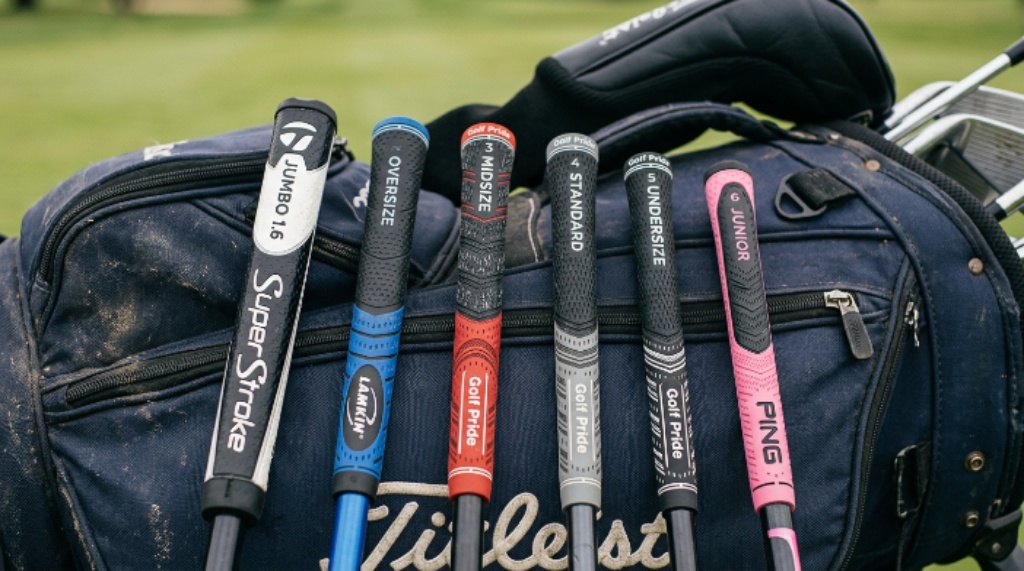
One of the most overlooked aspects of comfort is grip size. Many golfers use whatever grip comes standard on their clubs. However, grips come in several sizes, and using the wrong one can cause real problems.
A grip size guide can help you match your hand size to the right grip. Generally, grips come in undersize, standard, midsize, and oversize options. If your grip is too thin, your hands will work too hard and twist through impact. If it is too thick, you lose feel and your hands cannot release the club properly.
Here is a simple way to check: when you hold the club with your lead hand, your fingers should lightly touch your palm. If they dig in too deep, go up a size. If they barely reach, go down a size.
Getting the right grip size is one of the easiest fixes in golf. Yet it is one of the most commonly ignored.
Understanding Grip Pressure: How Tight Is Too Tight?
Grip pressure is one of the biggest sources of discomfort for golfers at every level. Applying too much force is a natural reaction, especially under pressure. However, squeezing tightly creates tension throughout your arms and shoulders, which hurts both your swing and your joints.
A useful way to think about grip pressure tips is to imagine holding a small bird. You want to hold it firmly enough that it does not fly away, but gently enough that you do not harm it. This mental image, often credited to Sam Snead, captures the right balance perfectly.
On a scale of one to ten, your grip pressure should sit around a four or five during the swing. You might feel the urge to squeeze harder at impact, but resist it. Staying relaxed through the entire motion leads to smoother contact and far less fatigue over a round.
Grip pressure tips are most useful when practiced regularly. Try gripping lighter than feels natural during your next warm-up session. You may be surprised by how much better your shots feel.
Choosing the Right Grip Material for Comfort
Grip material plays a big role in how comfortable your hands feel, especially during long rounds. There are several common materials to consider.
Rubber grips are the most common. They are durable and work well in dry conditions. However, they can get slippery when wet or when your hands sweat. Corded grips offer better traction in wet weather but can feel rough on bare hands over time.
Synthetic wrap grips and softer rubber compounds are great options for players who deal with hand pain or arthritis. They absorb shock from mishits and reduce the vibration that travels up the shaft into your hands. For players who experience soreness regularly, investing in a softer grip material can make a meaningful difference.
Additionally, many manufacturers now offer grips designed specifically for comfort, with cushioned channels and ergonomic shapes. These are worth exploring if standard grips leave your hands feeling worn out.
Golf Swing Basics That Start With the Grip
Many golfers try to fix their swing without realising the grip is the root cause of their problems. When your grip is comfortable and properly sized, your golf swing basics become much easier to execute.
A neutral grip position allows your wrists to hinge naturally during the backswing. This creates the coil and power you need without forcing anything. If your grip is too strong or too weak, your clubface arrives at impact in the wrong position, leading to hooks or slices.
Golf swing basics also include posture, alignment, and tempo. However, all of these elements work better when you are not fighting a grip that causes discomfort or restricts your hand movement. Think of the grip as the foundation. Everything else is built on top of it.
Even experienced golfers benefit from going back to fundamentals. If your swing feels inconsistent, checking your grip first is always a smart move.
Tips for Maintaining Your Grips for Long-Term Comfort
New grips feel great. Old, worn grips are slippery and hard. Many golfers replace their grips far less often than they should. This is a simple and affordable fix that has a big impact.
As a general rule, you should replace your grips every 40 rounds or once a year, whichever comes first. If you play in humid climates or tend to sweat a lot, you may need to replace them more frequently.
In between replacements, clean your grips regularly. Warm water and mild soap remove dirt, oil, and skin residue that break down the grip material over time. Dried-out grips not only feel less comfortable but also force you to grip tighter to maintain control, which brings back all the tension problems mentioned earlier.
Therefore, maintaining your grips is not just about cost savings. It is a key part of keeping your hands comfortable and your game sharp.
Exercises to Strengthen Your Hands Without Increasing Tension
Strong hands help you maintain a consistent grip without having to squeeze hard. However, the goal is functional strength, not a white-knuckle hold on the club.
Simple exercises can help. Squeezing a soft stress ball for a few minutes a day builds grip endurance. Wrist curls with a light dumbbell strengthen the forearm muscles that control your grip. Finger stretches before and after a round help reduce soreness and improve flexibility.
Additionally, yoga and general hand stretching routines are becoming more popular among golfers of all ages. These practices improve the mobility of your wrists and fingers, making it easier to maintain a relaxed grip throughout 18 holes.
When your hands are stronger and more flexible, you naturally grip with less effort. Less effort means less pain and better performance.
Conclusion
Grip comfort is not a minor detail. It affects how you feel during and after a round, how well your shots fly, and how long you can enjoy the game without injury. By choosing the right grip size, applying the correct amount of grip pressure, selecting a comfortable material, and keeping your grips in good condition, you set yourself up for consistent and pain-free golf.
Remember, the grip is your only connection to the club. Taking care of that connection is one of the smartest investments you can make in your game. Start with small changes, stay patient, and you will notice the difference sooner than you expect.
Frequently Asked Questions
How do I know if my grip size is correct?
When holding the club with your lead hand, your fingertips should lightly brush your palm. If they press deeply into it, your grip is too thin. If they barely reach, it may be too thick.
What grip pressure should I use during a golf swing?
Aim for a four or five on a scale of one to ten. Think of holding something fragile. You want control without tension.
How often should I replace my golf grips?
Replace them every 40 rounds or once a year. If you play in hot or humid conditions, check them more often for wear and slipperiness.
Can the wrong grip cause hand or wrist pain?
Yes. A grip that is too thin, too hard, or held too tightly creates excess tension and shock transfer, which can cause soreness in the hands, wrists, and forearms over time.
What grip material is best for comfort?
Soft rubber or synthetic wrap grips are generally the most comfortable. They absorb shock well and work for players with hand pain or sensitive joints.
Related Topics:
Santa Cruz Skateboards Price Guide: Decks, Completes & Wheels
Organize Your Skating Gear with YYST W-Style Wall Mounts