
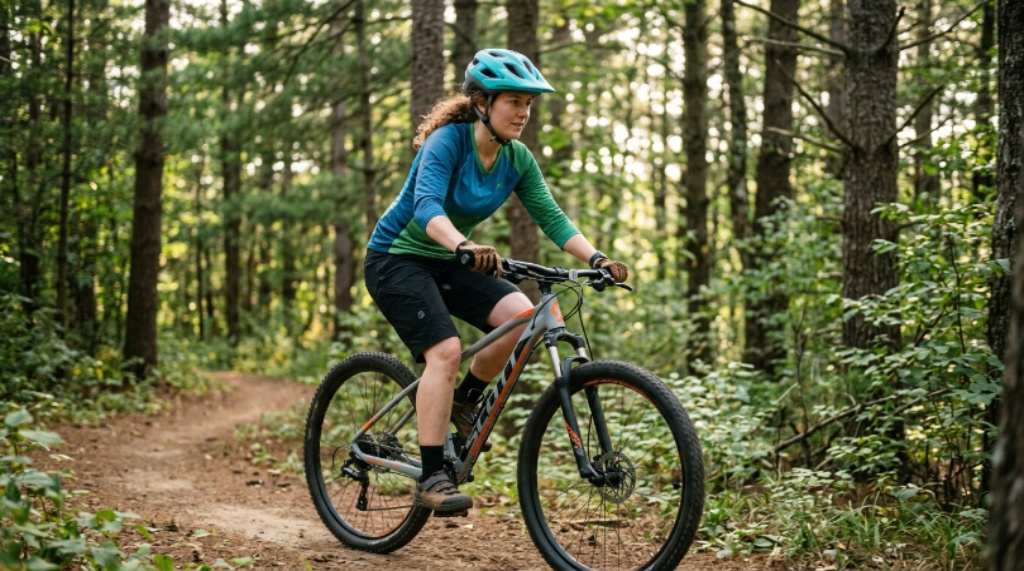
Getting into mountain biking sounds exciting. However, walking into a bike shop for the first time can feel overwhelming. There are hundreds of options, a wall of jargon, and price tags that range from a few hundred dollars to several thousand. The good news is that you do not need to spend a fortune to have a great time on the trails. With the right knowledge, finding a solid bike on a budget is completely possible.
This guide walks you through everything you need to know before buying your first mountain bike. From frame types to wheel sizes, you will leave feeling confident and ready to ride.
Why Your First Mountain Bike Does Not Have to Be Expensive
Many new riders make the mistake of either spending too much or too little. Spending too much puts financial pressure on a hobby you are still exploring. Spending too little means the bike may break down quickly or perform poorly, which kills motivation fast.
The sweet spot for entry-level cycling sits between $400 and $900. In this range, you can find bikes with reliable components, decent geometry, and enough durability to handle light to moderate trails. Therefore, setting a realistic budget before you shop is one of the smartest starter MTB tips you can follow.
Additionally, keep in mind that bikes in the $400 to $900 range have improved significantly in recent years. Brands are now offering quality aluminum frames, decent drivetrains, and reliable brakes at prices that were once unthinkable.
Understanding the Two Main Frame Types
Before you compare specific models, you need to understand the two core mountain bike frame types. These are hardtail and full suspension.
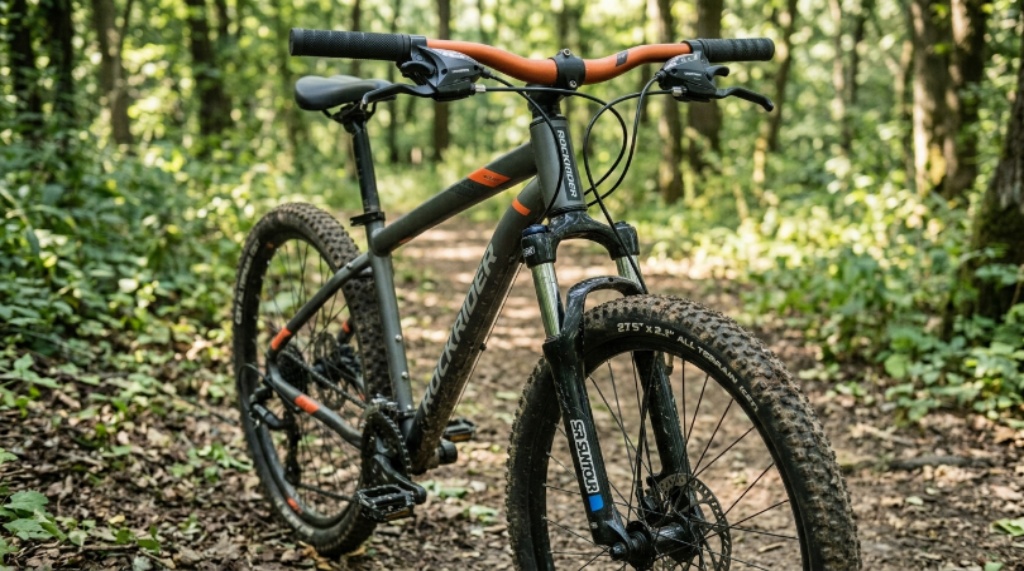
A hardtail bike has a suspension fork in the front and a rigid rear frame. It is lighter, more affordable, and easier to maintain. Most beginners do well on a hardtail because it teaches you to read the trail and develop riding technique. Additionally, with fewer moving parts, repairs are simpler and less costly.
A full-suspension bike has both front and rear shock absorbers. It handles rough terrain more smoothly. However, it costs significantly more and adds mechanical complexity. For most beginners on a budget, a hardtail is the smarter and more practical choice.
Choosing the Right Wheel Size
Wheel size affects how your bike handles. There are three common options: 26-inch, 27.5-inch, and 29-inch wheels.
26-inch wheels are now largely outdated for modern mountain bikes. You will mostly find them on very budget-priced options or older used bikes.
27.5-inch wheels offer a good balance of agility and stability. They roll over obstacles well and feel nimble on tighter trails. Therefore, they are a popular choice for riders of shorter to average height.
29-inch wheels, often called 29ers, roll over rough terrain more smoothly and maintain momentum better. However, they can feel less responsive in tight turns. Taller riders often prefer them.
For most beginners, 27.5-inch wheels are a comfortable and versatile starting point.
What to Look for in Components
Components are the working parts of your bike. Gears, brakes, and suspension all fall into this category. When shopping on a budget, you want components that are reliable even if they are not top-tier.
Here is what to pay attention to:
- Drivetrain: Look for bikes with 1x drivetrains (one chainring in front, multiple in the back). They are simpler to use and require less maintenance than older 3x setups. Shimano Altus or Acera components are solid entry-level choices.
- Brakes: Hydraulic disc brakes offer better stopping power in wet and muddy conditions. However, mechanical disc brakes are easier to adjust and work well for easy trail bikes and beginner terrain. Either is acceptable at the entry level.
- Suspension Fork: Look for a fork with at least 100mm of travel. Brands like SR Suntour are common on budget bikes and perform adequately for most beginners.
- Frame Material: Aluminum is the standard for budget mountain bikes. It is light, strong, and affordable. Avoid heavy steel frames unless you are buying used and know what you are getting.
New vs. Used: Which Should You Buy?
This is a question many beginners ask. Both options have real advantages.
Buying new gives you a warranty, a full set of working components, and the assurance that nothing is worn out. You also get the support of a bike shop if something goes wrong during setup or the early weeks of riding.
Buying used can stretch your budget significantly. A $500 used bike might offer components that would cost $900 new. However, you need to know what to inspect. Check the frame for cracks, test the brakes and gears, inspect the tires for wear, and spin the wheels to look for wobbling. If you are not confident inspecting a used bike, bring someone who is.
Additionally, buying from a local bike shop or a reputable online seller reduces the risk of getting something in poor condition.
Where to Buy Your First Mountain Bike
You have several options when it comes to where you shop.
Local bike shops are the best starting point. Staff can help you find the right fit, and you often get a free tune-up included with your purchase. Additionally, building a relationship with your local shop pays off when you need repairs or advice later.
Online retailers like REI, Jenson USA, and Competitive Cyclist offer a wide range of options, sometimes at lower prices. However, you will need to assemble the bike yourself or pay for local assembly.
Big-box stores like Walmart or Target sell bikes that look like mountain bikes but often use low-quality components that break quickly. Therefore, it is best to avoid these unless you are simply looking for something casual on a paved path.
Getting the Right Fit
A bike that does not fit you properly will be uncomfortable, harder to control, and less enjoyable to ride. Frame size is the most important factor. Most brands size their bikes as small, medium, large, and extra-large based on your height.
As a general reference:
- Under 5’4″ — Small frame
- 5’4″ to 5’8″ — Small or Medium
- 5’8″ to 6’0″ — Medium or Large
- Over 6’0″ — Large or Extra-Large
However, reach and stack measurements also matter for comfort. If possible, test ride a few bikes before you commit. A bike that feels right from the first ride is far more likely to keep you motivated.
Budget Planning: Beyond the Bike
The bike itself is not your only expense. New riders often forget to factor in essential gear. Here is a basic list of what you will need:
- Helmet: This is non-negotiable. A quality helmet costs $50 to $100.
- Gloves: They improve grip and protect your hands in a fall. Budget around $20 to $40.
- Flat pedals: Many entry-level bikes come with plastic pedals. A basic metal flat pedal upgrade costs $20 to $50.
- Pump and tire repair kit: Essential for any trail ride. Budget around $20 to $30.
- Water bottle or hydration pack: Staying hydrated matters on longer rides. Cost varies widely.
Therefore, add roughly $100 to $200 to your total bike budget to cover the essentials.
Conclusion
Choosing your first mountain bike does not have to be complicated or expensive. Start by setting a realistic budget between $400 and $900. Choose a hardtail frame for simplicity and value. Pick 27.5-inch or 29-inch wheels depending on your height. Focus on reliable components from trusted brands, and make sure the bike fits your body properly.
Additionally, do not overlook the gear you will need alongside the bike. With a little planning and the right information, you can get out on easy trail bikes and start enjoying the sport without stretching your finances. The trails are waiting for you.
Frequently Asked Questions
How much should a beginner spend on a mountain bike?
A budget of $400 to $900 is ideal for most beginners. In this range, you get a reliable bike with solid components that will last through your learning phase and beyond.
Is a hardtail mountain bike good for beginners?
Yes. A hardtail is the best choice for most new riders. It is lighter, simpler to maintain, and more affordable than a full-suspension bike. It also helps beginners develop better riding technique.
What wheel size is best for a beginner mountain biker?
27.5-inch wheels work well for most beginners because they balance agility and stability. Taller riders may prefer 29-inch wheels for their smoother roll over rough terrain.
Can I buy a good mountain bike from a big-box store like Walmart?
Generally, no. Bikes from big-box stores use low-quality parts that wear out or break quickly. It is better to buy from a local bike shop or a reputable online cycling retailer.
What gear do I need alongside my first mountain bike?
At minimum, you need a helmet, gloves, a pump, and a basic repair kit. Budget an additional $100 to $200 on top of your bike purchase to cover these essentials.
Related Topics:
Is BMX a Kids Bike: Discover the Truth Here!
Santa Cruz Skateboards Price Guide: Decks, Completes & Wheels